Guide to Anfield Stadium: History, Atmosphere and Matchday Experience
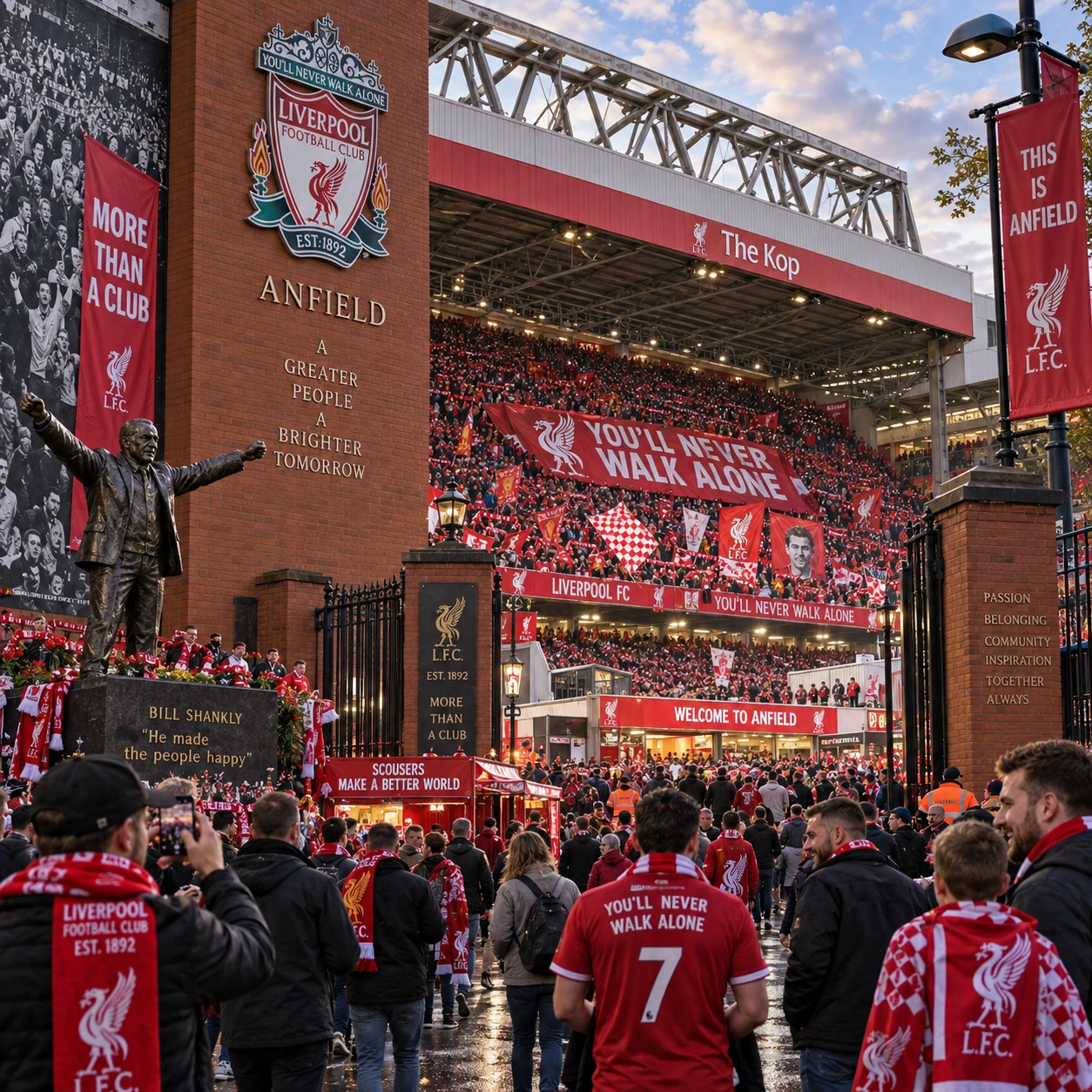
Anfield is Liverpool FC’s home ground and one of English football’s best-known stadiums. A visit brings together the club’s history, the closeness of the stands and the rituals supporters share before kick-off, including the singing of “You’ll Never Walk Alone.”
Whether you have a match ticket or are planning a non-matchday visit, a little preparation helps. Details such as ticket access, transport arrangements and tour availability can change, so check Liverpool FC’s latest visitor information before you travel.
Anfield’s history and place in Liverpool football
Anfield is a football ground in Liverpool with a history stretching back to the late 19th century. It first served as the home of Everton before Liverpool FC was formed in 1892 and made Anfield its home, linking the stadium’s story closely to the city and the club.
That history is visible in the way supporters talk about the ground. Anfield is more than a venue on the fixture list: it is a place shaped by generations of matchgoers, changing teams and shared memories. The club has expanded and redeveloped parts of the stadium over time, while retaining the identity supporters associate with its older stands and familiar matchday routines.
The club’s history is also tied to figures such as manager Bill Shankly, whose influence remains part of Liverpool FC’s public memory. The Shankly Gates, named in his honour, are a well-known landmark near the ground. For visitors, they offer a natural pause before entering the stadium area and a reminder that Anfield’s significance reaches beyond the pitch.
Arriving for the first time, it is easy to focus on the stadium’s size or the noise inside. Take a moment to look at the surroundings, too. The streets, pubs and meeting points around Anfield have long been part of how local supporters experience a home game.
The stands and landmarks to know
Anfield’s stands each contribute to the feel of the ground, while landmarks such as the Shankly Gates and Hillsborough Memorial connect matchday with Liverpool FC’s wider history. Knowing their names can make it easier to navigate and appreciate a visit.
The Kop is Anfield’s best-known stand, associated with Liverpool supporters’ songs and collective backing for the team. Its reputation is part of football culture, but the experience depends on the fixture, the match itself and where you are seated. A lively atmosphere is common; it is not something visitors should assume will be identical every time.
The Anfield Road Stand is another major part of the ground. The stadium has undergone redevelopment, so layouts, entrances and facilities may change. Use the details on your ticket and the club’s current stadium guidance rather than relying on an old map or a previous visitor’s directions.
Outside the stadium, the Shankly Gates provide a prominent tribute to Bill Shankly. The Hillsborough Memorial, at the ground, commemorates the Liverpool supporters who died in the Hillsborough disaster. Visitors should approach it respectfully and give people space, especially on busy matchdays when supporters may be paying their respects.
If you are meeting friends, agree on a specific entrance or landmark in advance. The ground and its surrounding streets become busy as kick-off approaches, and a vague plan such as “meet by the stadium” can be difficult to follow.
What makes an Anfield matchday special
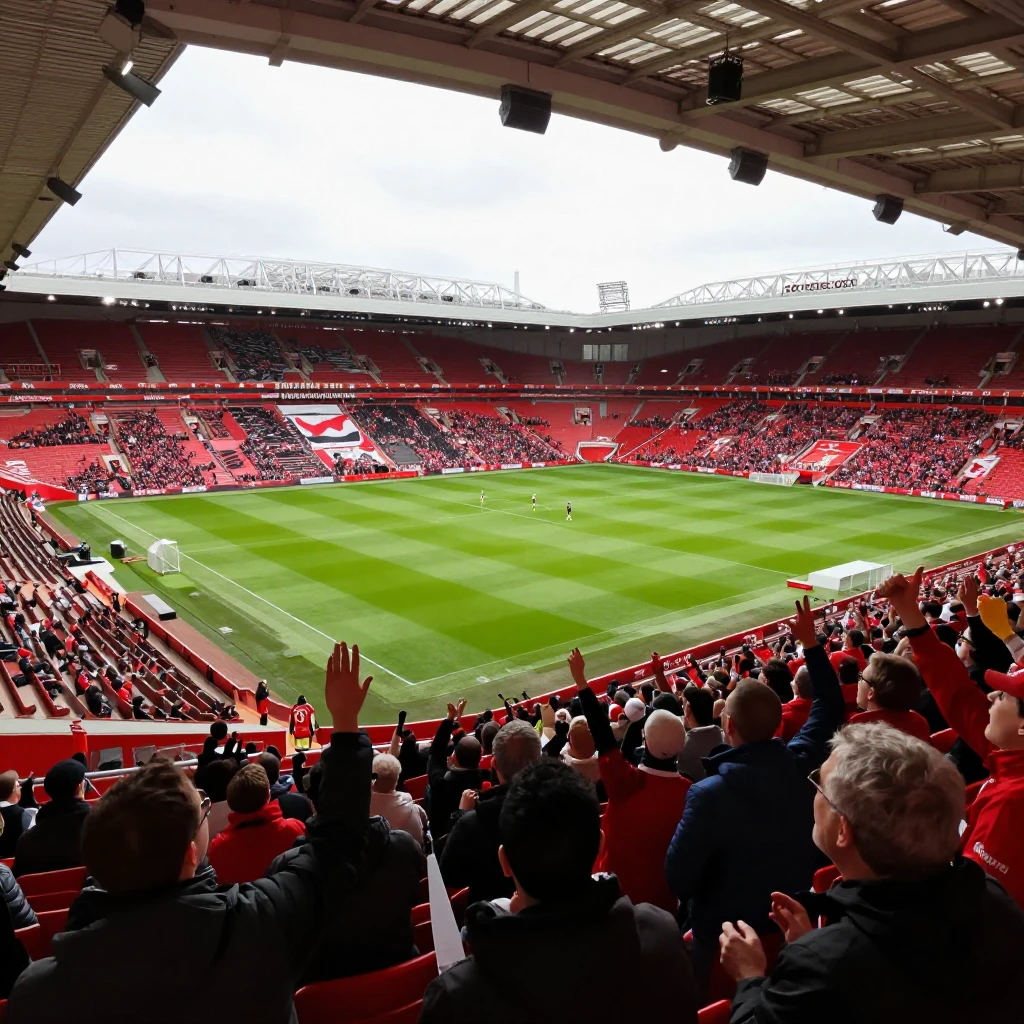
An Anfield matchday is shaped by Liverpool supporters’ songs, anticipation and attention to the game. The best-known ritual is “You’ll Never Walk Alone,” sung by the crowd before kick-off, though the atmosphere varies with the occasion and the flow of the match.
For many visitors, hearing the song from inside the ground is a memorable moment. The crowd’s voices build across the stands, and the words have become closely associated with Liverpool FC and its supporters. You do not need to know every lyric to take part; listening respectfully is just as welcome.
The matchday atmosphere continues beyond the pre-match anthem. Supporters react to tackles, chances and decisions, and the noise can rise or fall quickly. If it is your first visit, take in the match rather than trying to record every moment on your phone. A short video can be a keepsake, but watching the whole build-up through a screen means missing much of the occasion.
Supporter culture also means being considerate of the people around you. Follow stewards’ instructions, keep aisles and exits clear, and check the club’s rules on bags, flags and other items before setting out. If you are attending with children or someone who prefers a quieter environment, consider your seat location and the intensity of the fixture when planning.
Planning your visit
Plan an Anfield visit around your ticket, the club’s current entry instructions and the transport options available on your chosen date. Arriving with time to spare reduces stress, but the right arrival time depends on the fixture, your route and any access needs.
Start with your ticket and official guidance. Confirm the date, kick-off time, stand, entrance and any current bag restrictions. Match details and stadium procedures can change, so check Liverpool FC’s official visitor information close to your visit rather than assuming that advice from a past season still applies.
Next, plan how you will get to the ground. Matchday traffic, road closures or public transport arrangements may affect your journey. Check current local travel updates, leave room for delays and know your return plan before the final whistle. If you are meeting a group, choose a clear meeting point away from the busiest entrance area.
Allow time for security checks and the walk to your turnstile. Your ticket or the club’s guidance is the best source for the suggested arrival time. Getting there early can give you time to find your entrance and absorb the build-up; arriving too early without checking what is open may simply mean waiting outside.
Accessibility needs should be arranged through Liverpool FC in advance, since facilities and procedures depend on the specific booking and current stadium provision. Contact the club through its official accessibility information to confirm arrangements rather than relying on assumptions or third-party descriptions.
- Check ticket details and the latest stadium rules.
- Confirm transport plans and allow for matchday disruption.
- Agree on a meeting point and keep your ticket accessible.
- Contact the club early about accessibility requirements.
Before and after the match
The area around Anfield offers a chance to experience local matchday life before or after a game. Plan courteously: streets and businesses serve residents as well as visiting supporters, and crowd movement can make some routes busier than usual.
Supporters often meet in nearby pubs or gather around the stadium before kick-off, but opening hours, entry policies and crowd conditions vary. Check current arrangements directly with a venue if you have a particular place in mind. Do not count on being able to walk into a busy pub with a large group at the last minute.
The Shankly Gates and Hillsborough Memorial are meaningful stops for many visitors. Take photographs thoughtfully and avoid blocking paths or entrances. If people are leaving tributes or taking a quiet moment, give them room rather than treating the memorial as a backdrop for a hurried group photo.
After the match, expect large numbers of people to leave at once. If you are not in a rush, waiting briefly in a suitable public place can help you avoid joining the first wave. Keep noise and litter in mind in residential streets, and follow steward or transport staff instructions where crowds are being directed.
Visiting Anfield beyond matchday
A stadium tour offers a different view of Anfield, with access and tour content depending on the package, schedule and areas open on the day. Check Liverpool FC’s current tour information and availability before making travel plans.
Without a match underway, it is easier to take in the stadium’s details at a slower pace. A tour may provide insight into the ground, Liverpool FC’s history and spaces associated with the matchday experience. What is included can vary, and stadium operations or events may affect access, so confirm the exact offering when booking.
Non-matchday visits suit supporters who want to explore the ground without the intensity of a crowd. They do not reproduce the sound or anticipation of a live game, however. If your main reason for visiting is to experience the Kop and the crowd singing “You’ll Never Walk Alone,” a tour and a match ticket provide very different experiences.
Before booking, check the date, duration, meeting location, accessibility information and cancellation terms. Keep the confirmation handy and follow any instructions about arrival. That simple check helps avoid a wasted journey if a tour is unavailable or its arrangements have changed.
Frequently asked questions
What is the best-known stand at Anfield?
The Kop is Anfield’s best-known stand and is strongly associated with Liverpool supporters’ songs and matchday atmosphere.
How early should visitors arrive on matchday?
Follow the arrival guidance from Liverpool FC and allow enough time for travel, entry checks and finding your turnstile. The ideal time varies by fixture and transport conditions.
Can you visit Anfield on a non-matchday?
Yes, a stadium tour may be available on non-matchdays, subject to the club’s schedule and access arrangements. Check current availability before travelling.
What should first-time visitors know about matchday etiquette?
Follow steward instructions, keep aisles clear, check stadium rules in advance and treat the Hillsborough Memorial and local residential streets with respect.